Keywords: hemodialysis, bibag, bicarbonate concentrate, dry powder, dialysate, online preparation
Introduction
For patients living with end-stage kidney disease, hemodialysis is a life-sustaining therapy that removes waste products and excess fluid from the blood. A critical component of every dialysis session is the dialysate—the specially formulated fluid that flows on one side of the dialysis membrane to help clean the blood. Among the key ingredients in this fluid is bicarbonate, which acts like a natural buffer to correct the acid buildup that failing kidneys can no longer handle. Traditionally, bicarbonate was delivered as a heavy, bulky liquid concentrate. Today, bibag On-line Dry Bicarbonate Concentrate offers a smarter, lighter, and more stable alternative. This article breaks down what bibag is, how it works, and why it matters for modern dialysis care.
1. What Is bibag?
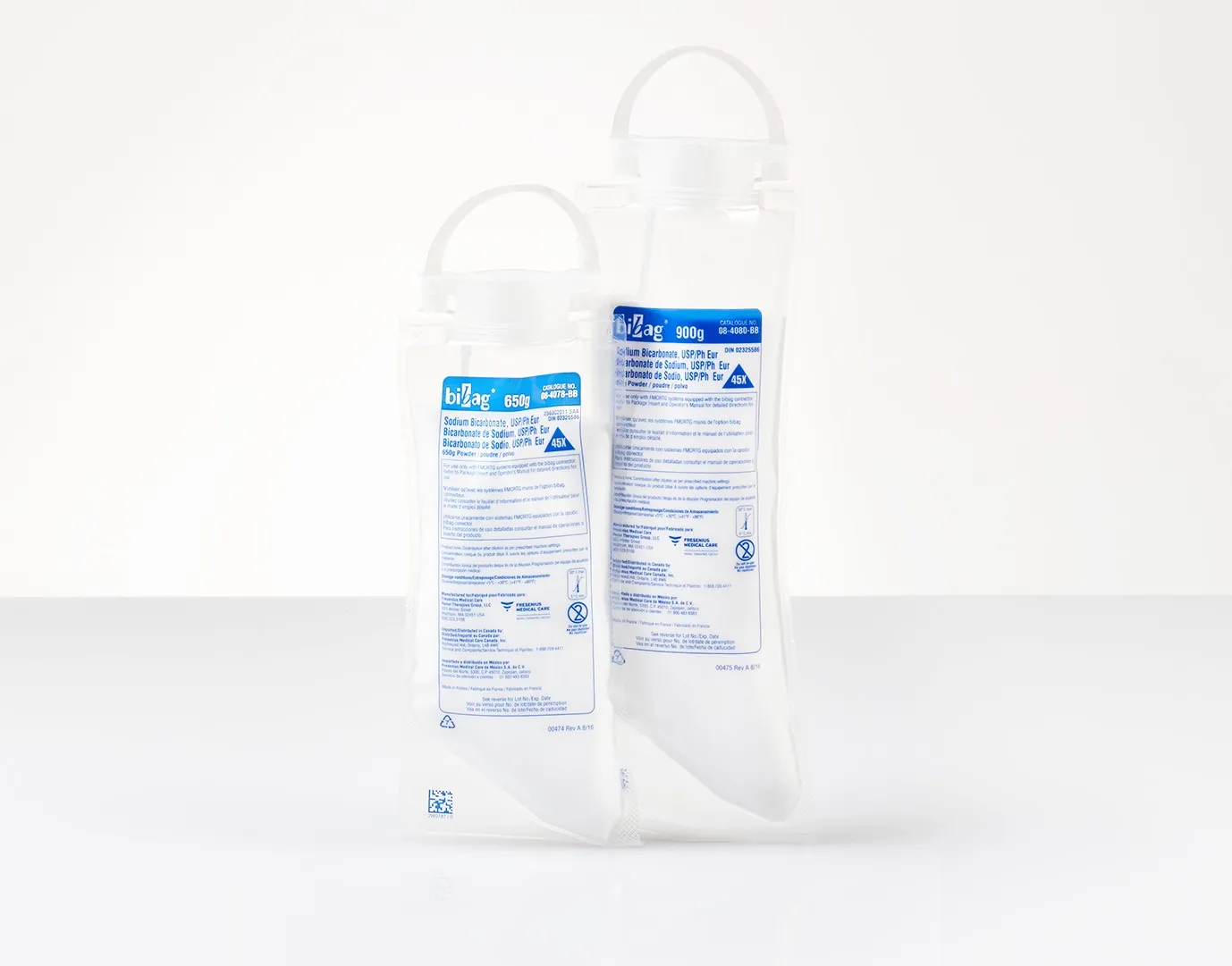
Bibag is a sterile, single-use cartridge filled with dry sodium bicarbonate powder. Developed by B. Braun, it is designed to be connected directly to a compatible hemodialysis machine. During treatment, the machine draws purified water through the cartridge, dissolving the powder in real time to produce fresh bicarbonate concentrate. This “on-line” preparation means the dialysate is mixed immediately before use rather than being stored as a pre-made liquid for days or weeks.
Think of it like a instant coffee pod: instead of shipping heavy bottles of liquid coffee, you ship lightweight dry powder and add hot water only when you are ready to drink. For dialysis clinics, this simple shift from liquid to dry powder brings meaningful logistical and clinical advantages.
2. How Does On-Line Preparation Work?
The process is straightforward and fully automated by the dialysis machine:
1. Connection: A nurse or technician inserts the sealed bibag cartridge into a dedicated port on the machine.
2. Hydration: The machine pumps purified, temperature-controlled water through the cartridge at a precise flow rate.
3. Dissolution: The dry sodium bicarbonate dissolves into the water, creating a saturated bicarbonate solution.
4. Mixing: This fresh concentrate is then blended with acid concentrate and additional purified water in the correct proportions to create the final dialysate.
5. Delivery: The freshly mixed dialysate flows through the dialyzer, where it works with the patient’s blood to remove toxins and restore pH balance.
Because the bicarbonate is prepared on demand, there is no need for clinics to store large jugs of liquid concentrate or worry about the solution degrading over time.
3. What It Means for Patients and Clinics
For patients, the bibag system translates into more reliable dialysis sessions. Freshly prepared bicarbonate ensures consistent acid-base correction, which helps patients feel less fatigued and reduces the risk of symptoms related to improper pH balance. The lower risk of bacterial contamination also adds a layer of safety to every treatment.
For healthcare providers and clinics, bibag simplifies supply chains. Staff no longer need to wrestle with heavy concentrate jugs or manage complex inventory rotations. The compact cartridges free up storage space and streamline the setup process, allowing nurses to spend more time on patient care rather than logistics.
Conclusion
Bibag On-line Dry Bicarbonate Concentrate represents a practical evolution in hemodialysis technology. By replacing bulky liquid jugs with lightweight, stable dry powder that is mixed fresh for every treatment, it addresses everyday challenges in the dialysis clinic while supporting high-quality patient care. As kidney disease treatment continues to advance, innovations like bibag remind us that sometimes the most impactful improvements come from rethinking the simplest ingredients.