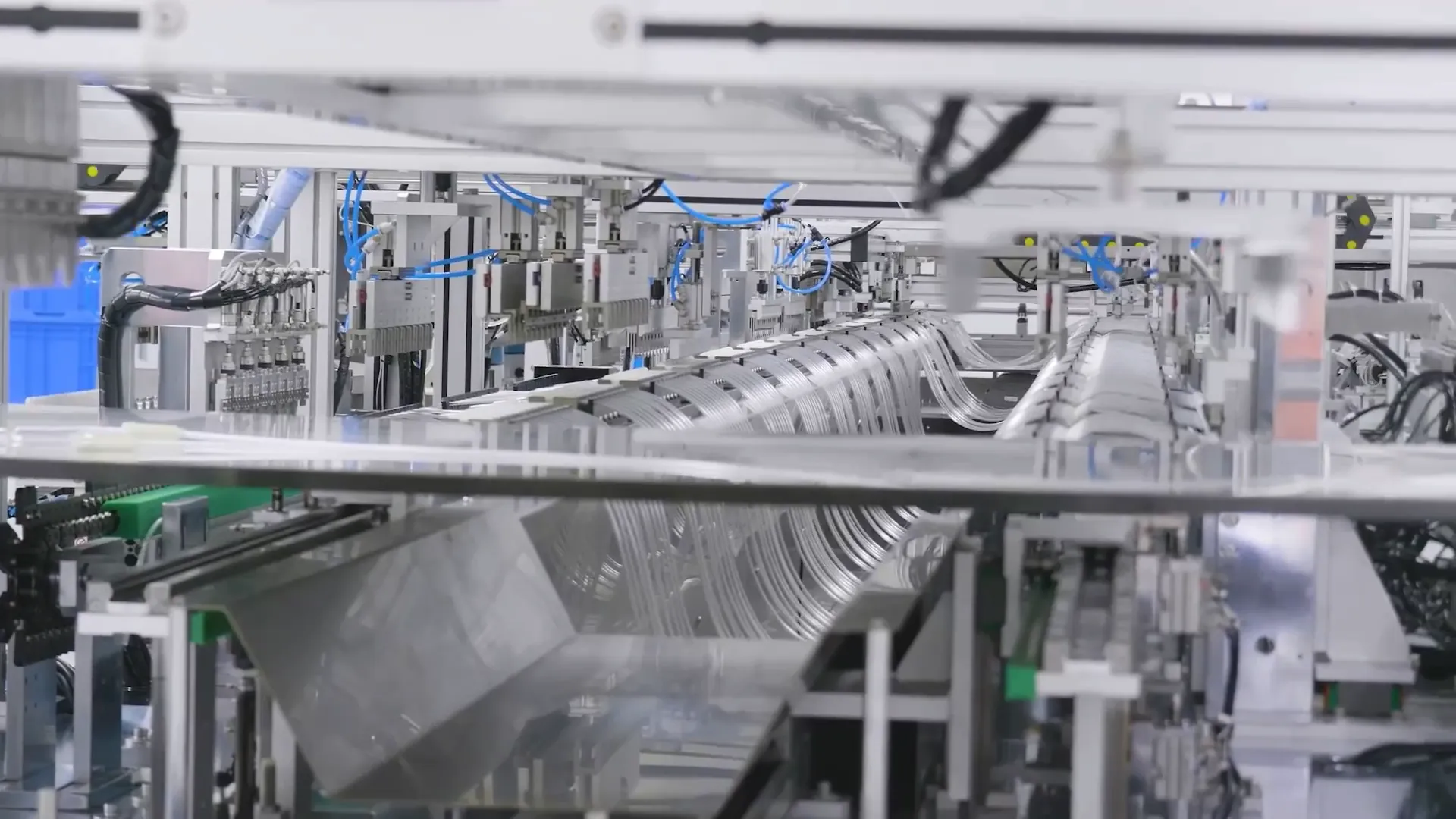
The global manufacturing landscape is undergoing a fundamental transformation. What was once considered a competitive advantage—automation and digitalization—has now become the minimum requirement for businesses to remain viable in international markets. For manufacturers worldwide, investing in advanced automation equipment is no longer a “nice-to-have” bonus; it is the essential entry ticket to compete in today’s industrial economy.
Over the past decade, rising labor costs, stricter quality standards, and growing demand for production flexibility have reshaped expectations across every industrial sector. Companies that once differentiated themselves through automated production lines now find that their customers, partners, and even regulatory bodies expect nothing less.
“Five years ago, clients would ask us what automation solutions we offered as an added benefit,” explains a senior industry analyst. “Today, the first question on every procurement checklist is whether your facility meets basic automation and digital traceability standards. If the answer is no, you’re simply not considered.”
This shift is driven by three key forces:
Manufacturers who delay automation investment face more than just reduced efficiency—they risk being locked out of entire markets. Major brands across automotive, electronics, medical devices, and consumer goods now require their suppliers to demonstrate minimum levels of production automation and digital data integration as a precondition for bidding.
The threshold continues to rise. What qualified as “advanced” three years ago is today’s baseline. Companies that view automation as a future project rather than an immediate necessity are falling behind at an accelerating pace.
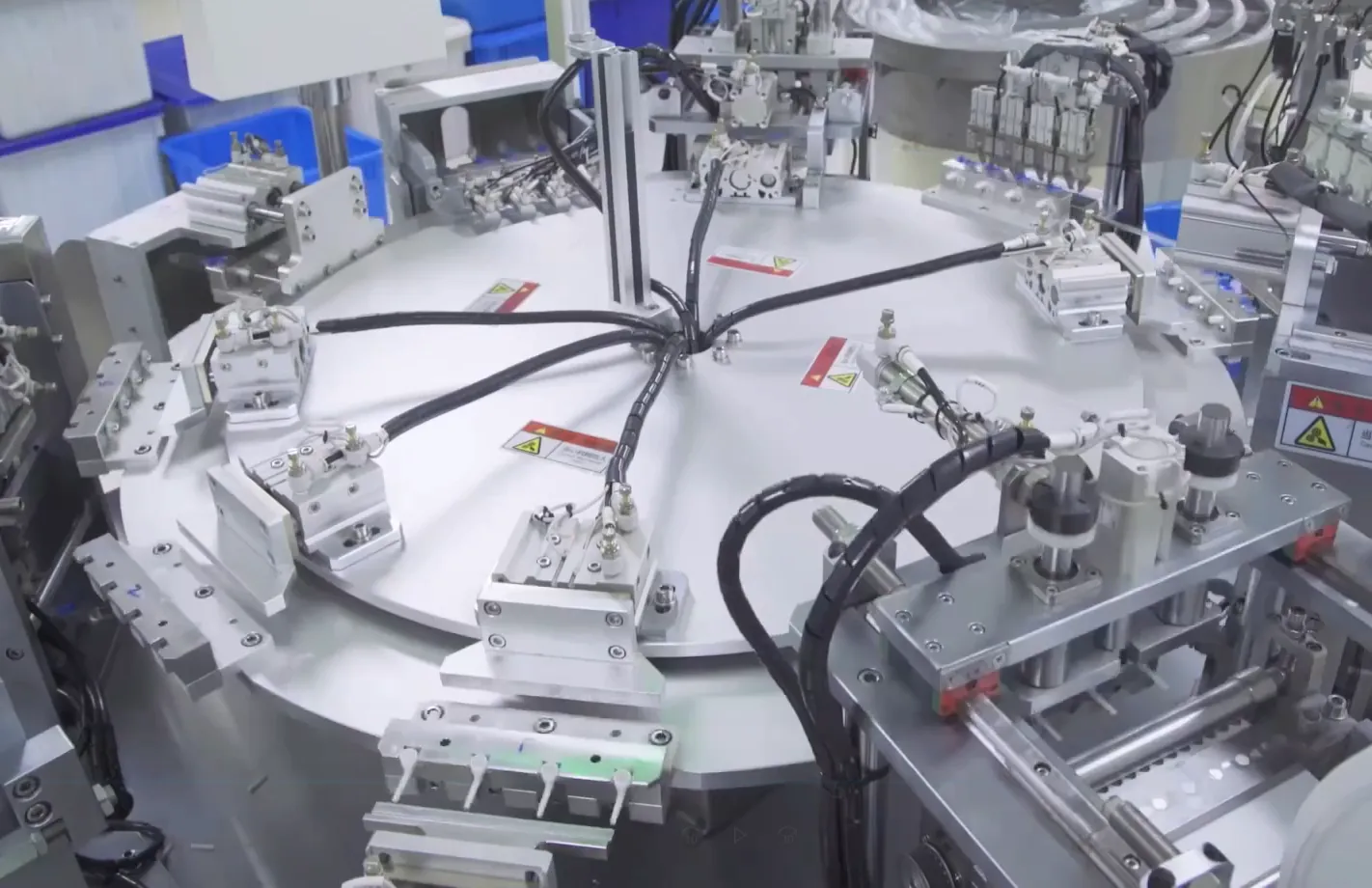
At Daeheung Medical, we deliver comprehensive automation solutions designed to transform your production capabilities and ensure you meet—and exceed—today’s industry entry requirements. Our range of automated manufacturing equipment integrates precision engineering with smart digital controls, giving you:
The transition from manual to automated manufacturing doesn’t have to happen all at once. We work with clients to develop phased implementation roadmaps that deliver measurable returns at every stage—from targeted workcell automation to full smart factory integration.
Businesses that act now aren’t just keeping pace—they’re building the operational foundation to capture market share as less prepared competitors exit the playing field.
Ready to turn automation from a challenge into your competitive advantage? Explore our complete range of automated manufacturing solutions at (daeheungmed.com) or contact our engineering team to schedule a customized assessment of your production needs.