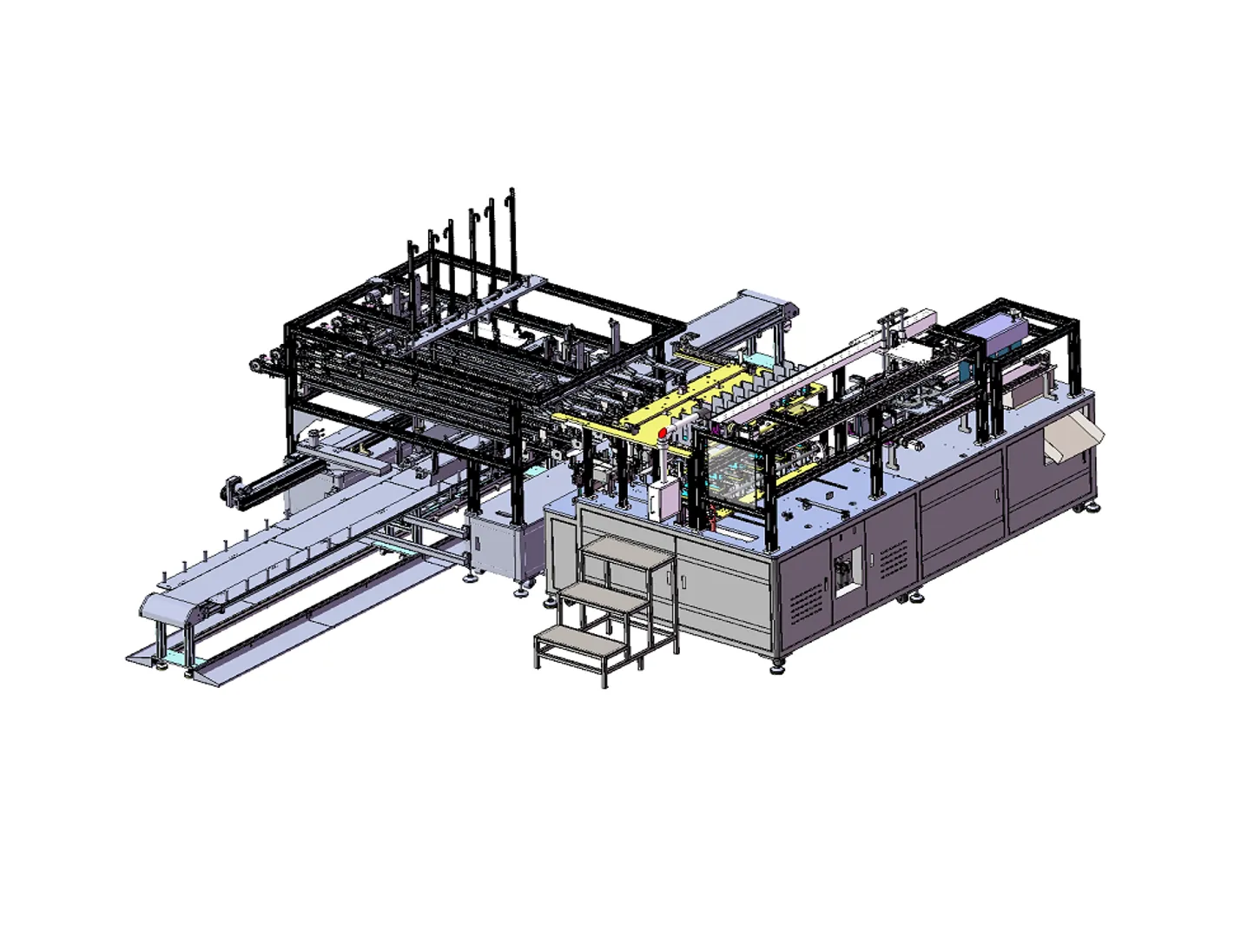
Published: Packaging Solutions
The final packaging stage of medical device manufacturing is arguably one of the most critical steps in the production process. For infusion sets, which must remain completely sterile until the moment of clinical use, automatic packing machines play an indispensable role in maintaining product integrity from factory floor to hospital bedside.
The Critical Role of Packaging in Medical Devices
Medical packaging serves multiple essential functions: it maintains sterility through the product’s entire shelf life, provides physical protection during shipping and handling, and carries vital information including lot numbers, expiration dates, and usage instructions. For infusion sets, which are classified as sterile medical devices, any compromise in packaging can have serious clinical consequences.
How Automatic Packing Machines Work
Modern infusion set packing machines operate as fully integrated systems that receive assembled products directly from the assembly line. The process begins with automatic product orientation and positioning, ensuring each infusion set is properly folded or coiled to fit the packaging dimensions. Advanced sensor systems verify product presence and correct placement before the packaging cycle begins.
The machines use medical-grade packaging materials—typically Tyvek pouches or blister packs with heat-sealed lids. Precision heat sealing technology creates consistent, hermetic seals that maintain sterility while allowing for easy peel-opening by healthcare professionals. Integrated printing systems apply batch codes, manufacturing dates, and expiration information directly onto each package during the sealing process.
Advanced Features and Quality Assurance
Top-tier packing machines incorporate multiple quality verification stations. Seal integrity testers use pressure decay or dye penetration methods to verify every seal is complete and leak-free. Vision inspection systems confirm all printed information is legible and correctly positioned. Any defective packages are automatically diverted to rejection bins without interrupting production flow.
High-speed models can package up to 6,000 units per hour, seamlessly integrating with upstream assembly lines for continuous production. With adjustable parameters and quick-change tooling, these machines can accommodate various infusion set configurations and packaging sizes, making them incredibly versatile for manufacturers with diverse product portfolios.
Looking Forward
As regulatory requirements for medical packaging become increasingly stringent, the role of automatic packing machines will continue to grow in importance. Manufacturers who invest in advanced packaging technology not only ensure compliance but also gain a competitive edge through improved efficiency, reduced waste, and enhanced product safety.